

In today’s digital age, protecting your online presence is more crucial than ever. With an increasing number of threats targeting personal information and devices, consumers are left wondering about the best methods to safeguard their data. This has led to a common question: is it better to invest in a VPN or antivirus software, or do you really need both? Understanding the distinct roles of each can help you make an informed decision that enhances your cyber arsenal.
VPNs, or virtual private networks, create a private encrypted tunnel for your internet connection, shielding your online activities from prying eyes. On the other hand, antivirus software offers robust defense against a variety of malware and cyber threats that can compromise your devices. While they serve different purposes, utilizing both can provide comprehensive protection across multiple devices. As you navigate through the options available, consider factors such as device compatibility and pricing to ensure that your online security measures are both effective and affordable.
Understanding VPNs and Antivirus Software
VPNs, or Virtual Private Networks, provide a secure and private connection to the internet. By routing your internet traffic through a secure, encrypted tunnel, VPNs prevent unauthorized access to your data and online activities. This is especially important when using public Wi-Fi networks, where your information can be vulnerable to interception. With a VPN, not only is your data encrypted, but your IP address is also masked, enhancing your online privacy.
On the other hand, antivirus software is designed to protect your devices from malware, such as viruses, trojans, and spyware. This type of software scans your system for threats, removing harmful files and preventing future infections. While VPNs focus on securing your online connection, antivirus programs work to identify and eliminate malicious software that could compromise your device's integrity and security.
Together, VPNs and antivirus software create a comprehensive security solution. A VPN safeguards your internet connection and protects your online privacy, while antivirus software defends against malware and cyber threats. Understanding the unique functions of each can help you decide how to best secure your devices and online presence, ensuring you have both privacy and protection in the digital landscape.
VPNs: Secure Your Connection
A VPN, or Virtual Private Network, is crucial for ensuring your online activities remain private and secure. By creating a private, encrypted tunnel between your device and the internet, a VPN prevents unauthorized parties from accessing your data. This means that your internet service provider, hackers, and even government agencies are unable to spy on your online behavior, providing you with a layer of confidentiality that is increasingly important in today's digital age.
When you connect to a VPN, your internet traffic is routed through remote servers, masking your IP address and encrypting your data. This not only protects your personal information from prying eyes but also allows you to bypass geo-restrictions and access content that may be blocked in your region. Whether streaming media, browsing safely on public Wi-Fi, or accessing sensitive information, a VPN enhances your online experience by ensuring a secure connection.

In addition to privacy benefits, many VPN services offer multi-device coverage, allowing you to protect several devices under a single subscription. This convenience means that your smartphones, tablets, and computers can all enjoy the same level of security without the need for separate plans. As price matters when selecting security tools, finding a VPN that is both affordable and effective is key to building a solid cyber arsenal for your household.
Antivirus: Protect Your Devices
Antivirus software is essential for safeguarding your devices against a wide array of malware, including viruses, spyware, ransomware, and adware. It works by scanning your files and applications for malicious code and behavior, providing real-time protection that helps to detect and eliminate threats before they can cause damage. Regular updates ensure that the antivirus program is equipped to combat the latest cyber threats, keeping your devices secure.
In addition to threat detection, modern antivirus solutions offer features such as web protection, which shields you from harmful websites and phishing attempts. Some also include monitoring tools that watch for unusual activities on your devices, alerting you to potential breaches. This multi-faceted approach is crucial in today's digital landscape, where cybercriminals constantly evolve their tactics to exploit vulnerabilities.
It is important to choose antivirus software that offers multi-device coverage, as households often have a variety of devices that require protection. With many options available at varying price points, finding an affordable solution that fits your needs is key. By prioritizing comprehensive device protection, you ensure that your personal data and online activities remain secure from potential threats.
VPN vs. Antivirus: Do You Need Both?
When it comes to protecting your devices and online activities, both VPNs and antivirus software play crucial roles, but they serve distinct purposes. A VPN, or Virtual Private Network, creates a private, encrypted tunnel for your internet traffic, safeguarding your online privacy and preventing unauthorized access to your data. It is particularly effective for activities such as browsing in public Wi-Fi areas, as it helps shield your information from hackers and eavesdroppers. However, a VPN does not actively detect or remove malware from your devices.
On the other hand, antivirus software is designed to protect your devices from malicious software by identifying, quarantining, and eliminating threats such as viruses, spyware, and ransomware. While antivirus tools provide robust security against malware, they do not offer the same privacy protection features as a VPN. This means that although an antivirus program can keep your system clean, it cannot prevent your internet service provider or other entities from tracking your online activities.
To achieve comprehensive cybersecurity, it is wise to use both a VPN and antivirus software together. This combination allows you to benefit from the strengths of each tool, providing multilayered protection for your digital life. Together, these solutions can ensure that your devices are safe from malware while also maintaining your online privacy and anonymity, making it essential to consider both when securing your household.
Multi-Device Coverage: A Key Consideration
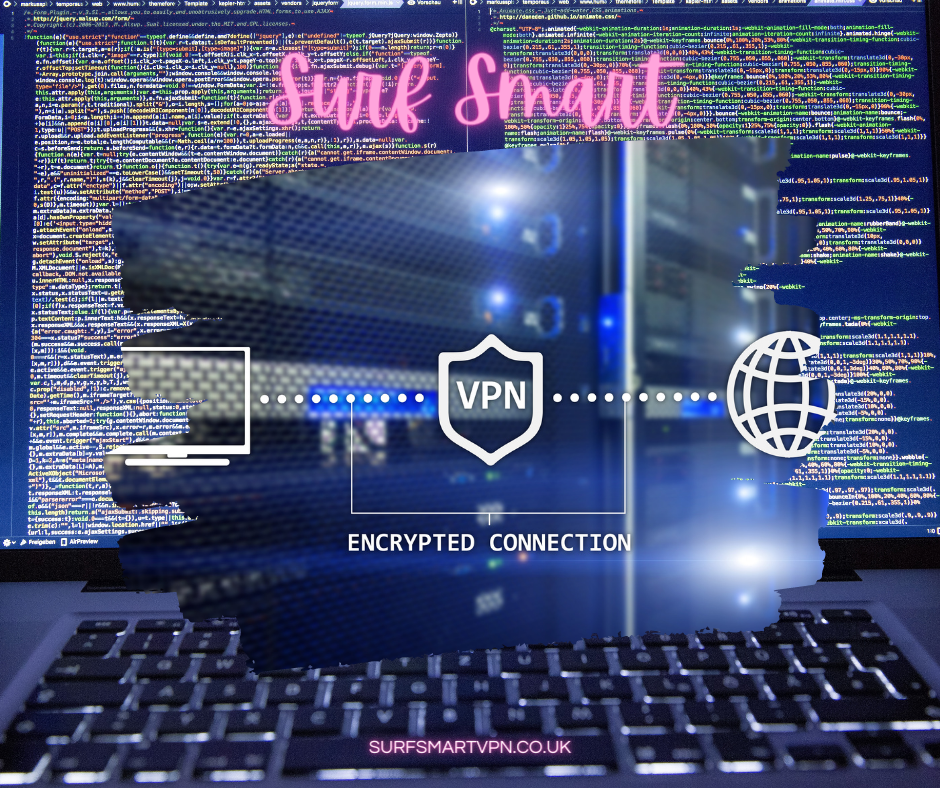
In today's digital environment, many people use multiple devices for their online activities, including smartphones, tablets, and laptops. This widespread usage highlights the need for cybersecurity solutions that can protect more than just a single device. Both VPNs and antivirus software should offer multi-device coverage to safeguard your entire household. When evaluating your options, it's crucial to consider how many devices each solution can protect simultaneously.
A VPN provides an added layer of privacy and security by creating a private encrypted tunnel for your internet connection. This is essential for securing sensitive information across all gadgets you use. Many VPN providers offer plans that accommodate several devices, allowing you to connect multiple smartphones, computers, or tablets under one subscription. This versatility ensures that every device is shielded from prying eyes and potential threats, which is especially important in a world where people frequently use public Wi-Fi networks.
On the other hand, antivirus software also needs to support multiple devices to provide comprehensive defense against malware and other threats. Some antivirus solutions specifically cater to families or users with numerous devices by allowing installations across various platforms. When choosing a solution, ensure that both your chosen VPN and antivirus software work seamlessly across the devices you own. This approach not only enhances your online security but can also be more cost-effective, as many providers offer bundled deals for multi-device coverage.
Price Matters: Choosing the Right Solutions
When considering VPN and antivirus software, pricing plays a crucial role in decision-making. Many consumers seek affordable solutions without compromising on security features. It's essential to compare the subscription prices of different VPN services and antivirus programs to find options that fit your budget while providing adequate protection. Some providers offer comprehensive plans that combine both VPN and antivirus features, which can provide better value for money.
Another aspect to consider is the duration of the subscription. Providers often offer discounts for longer commitments, making it more economical in the long run. However, it is vital to evaluate the necessary terms and conditions before making a choice. A lower price might come with limitations, such as fewer devices covered or reduced support, which can impact overall effectiveness.
Lastly, multi-device coverage is essential in today's digital landscape, where people use various devices for online activities. Ensuring that the chosen VPN and antivirus solutions can protect all your devices—smartphones, tablets, and computers—can save you from additional costs. Look for providers that address your needs across multiple devices at a reasonable price, combining robust security with affordability to ensure a safer online experience.